Brewery Glycol Chillers

Modern breweries depend on precise, reliable temperature control to ensure consistent product quality, efficient tank turns, and scalable production. Friulair’s industrial chillers and dry coolers provide the advanced, energy‑efficient process cooling breweries need, delivering stability, sustainability, and full compatibility with glycol systems.

Brewery fermentation tanks requiring precise temperature control through glycol cooling systems.

Brewery Cooling System Basics: Why Breweries Need Purpose-Built Chillers

Efficient brewery operations depend on precise temperature control at every stage of production. Unlike comfort cooling or generic HVAC equipment, a dedicated brewery chiller is engineered for continuous, high precision process cooling, ensuring consistency, product quality, and year-round reliability.

Fermentation & Conditioning: Stable Profiles Batch After Batch

Fermentation is highly sensitive to temperature deviations. A purpose built glycol chiller brewery system delivers the responsiveness required to control heat generated by active yeast, maintaining narrow tolerances and ensuring repeatable flavor profiles. Consistent fermentation temperature equals consistent beer.

Crash Cooling, Brite Tanks & Packaging: Hitting Targets Fast

Cold crashing, maturation, and carbonation depend on rapid and stable cooling. A properly sized chiller for breweries helps reduce tank turnaround times, improve clarity, and support predictable packaging schedules, directly impacting yield and production planning.

Hygienic Design, Uptime & Industrial Duty

Breweries run 24/7. Process chillers are built for this continuous workload, unlike HVAC systems. Purpose designed brewery chillers offer:

  • Reliable low temperature glycol operation
  • Narrow control tolerances
  • Robust components for industrial duty
  • Protection against downtime and batch loss

These features ensure consistent production, reduced operating risk, and longterm reliability.

How a Brewery Glycol Chiller System Works

A modern brewery cooling system relies on two tightly integrated loops (one refrigerant, one glycol) to deliver precise temperatures across fermentation, brite tanks, and wort cooling operations.

Primary Refrigeration Loop + Secondary Glycol Loop

The chiller extracts heat from the glycol solution through refrigerant‑side components, then pumps the chilled glycol to vessels and heat exchangers. The glycol mix prevents freezing and supports sub‑zero operation, enabling efficient heat removal even under high load.

Setpoints by Process Step

  • Knock‑out: Rapid cooling through a plate heat exchanger
  • Fermentation: Tight temperature control with minimal fluctuations
  • Cold‑crash: High‑capacity cooling for fast pull‑down

A well‑designed system assigns independent temperature setpoints per tank for maximum control and flexibility.

Controls, Sensors & Redundancy

Industrial brewery chillers integrate digital controllers, temperature probes, pump sensors, and safety logic. Real‑time modulation of compressors and fans ensures stable glycol supply, reduced energy use, and uninterrupted operation. Larger breweries can add redundant pumps and circuits for extra reliability.

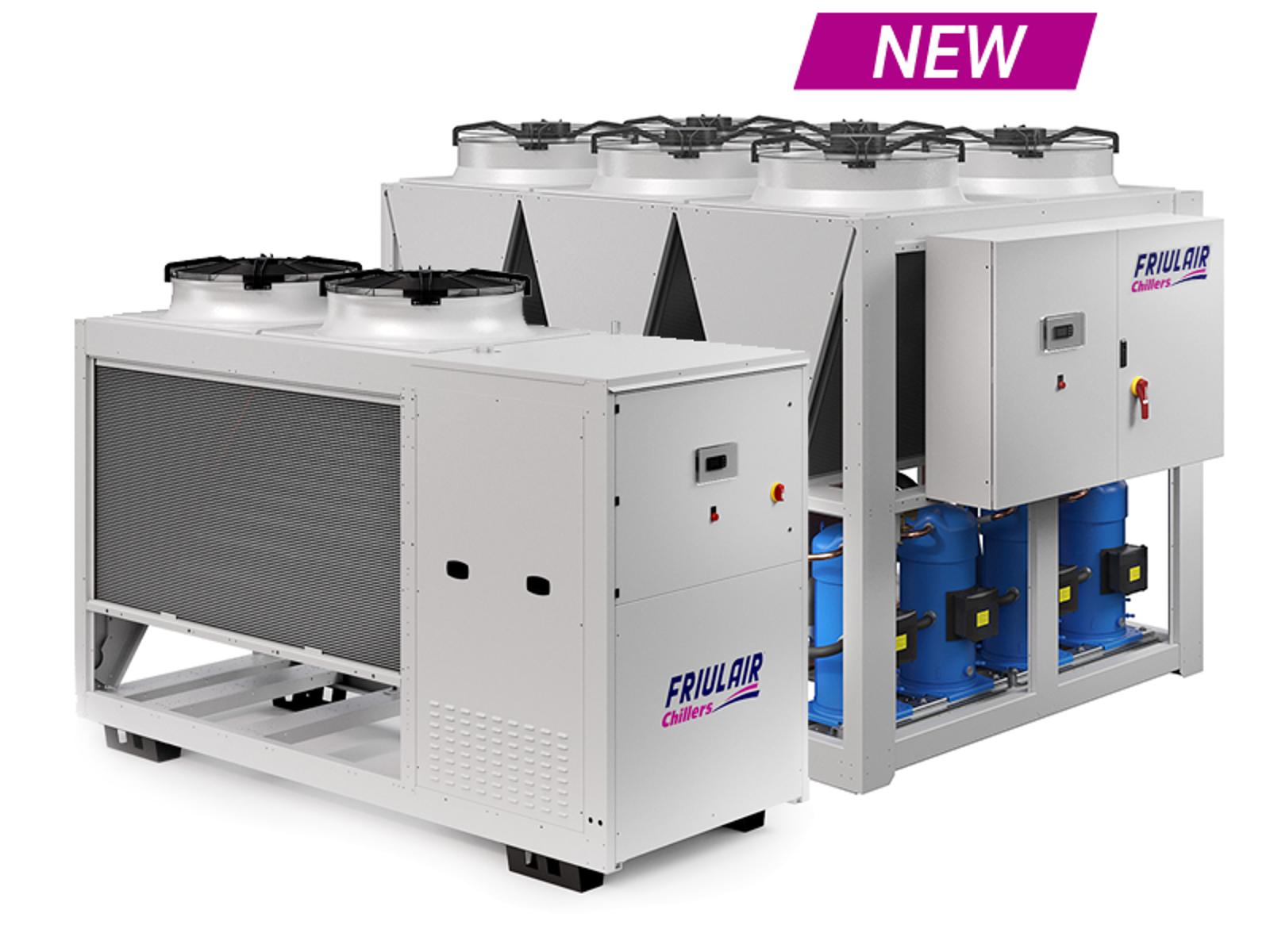
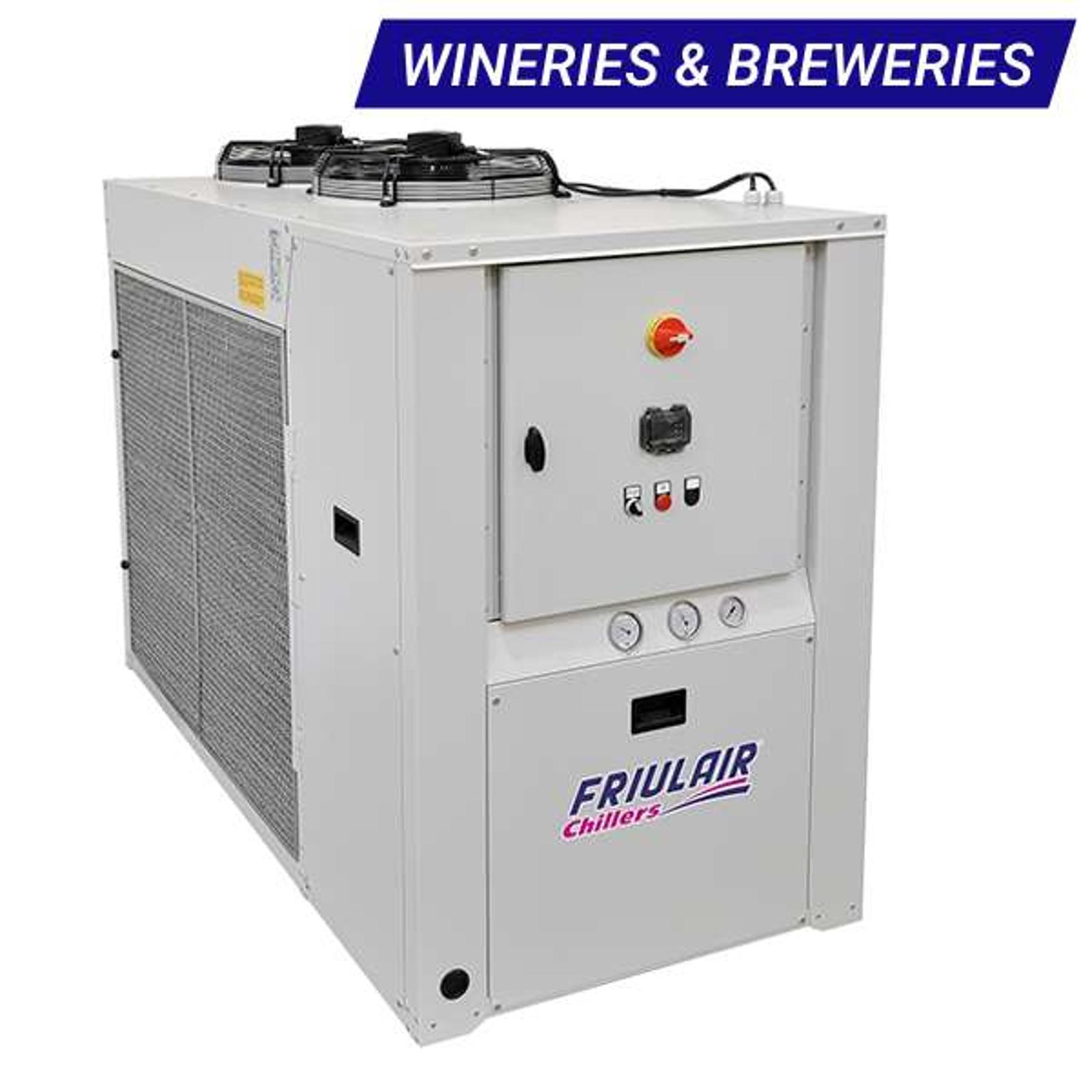
Industrial Friulair glycol chiller supporting precise temperature control in brewery processes.
Separation

Brewery Chiller Sizing: The Definitive Method

Correct brewery chiller sizing determines overall performance, energy efficiency, and production stability. It’s not just about brewhouse size, it’s about total thermal load.

Load Drivers: Knock‑Out, Fermenters, Ambient, Parasitics

  • Knock‑out: Largest instantaneous cooling demand
  • Fermentation: Long-duration, multi‑tank heat load
  • Ambient conditions: Hot seasons, solar gain, indoor heat
  • Parasitic loads: Pipe losses, insulation, pump heat

A complete thermal analysis ensures the chiller meets peak and overlapping demands.

Glycol Mix, Delta‑T & Safety Factors

Glycol concentration affects cooling capacity, energy demand, and freeze protection. Delta‑T (supply vs return) balances efficiency and tank response. Professional sizing includes safety margins for unexpected production peaks or seasonal extremes.

Seasonal Conditions & Low‑Ambient Operation

Chillers must operate reliably in both winter and summer. Low‑ambient kits prevent freezing and maintain pressure, while enhanced condensers ensure full capacity on hot days. A properly sized chiller ensures consistent tank turns all year long.

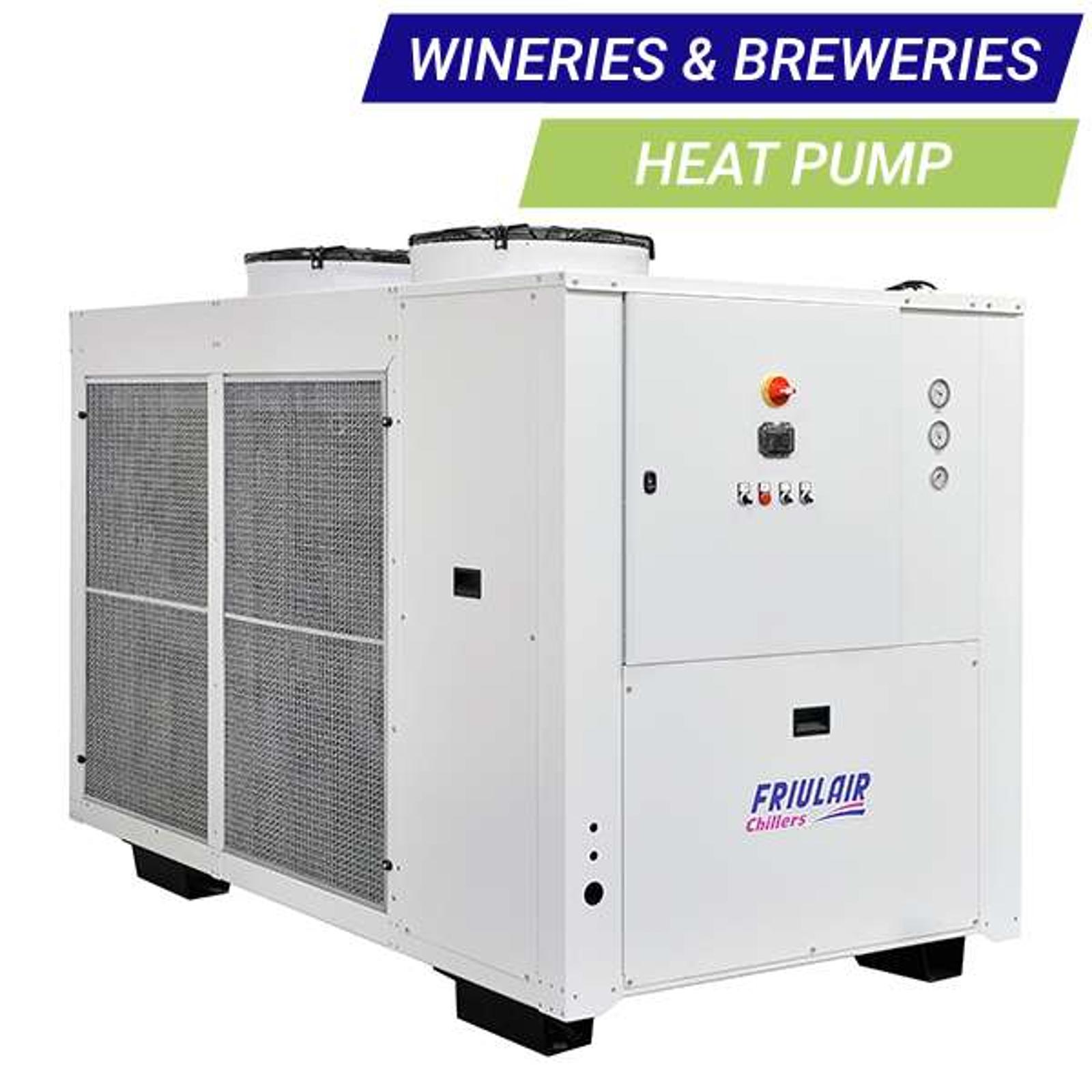
Friulair brewery glycol chiller installed outdoors for reliable fermentation and process cooling.

Reduce TCO with Brewery Smart Cooling

Energy is one of a brewery’s largest operating costs. Smart cooling approaches significantly lower TCO through better technology and system design.

Seasonal Efficiency, Partial‑Load Control & EC Fans

Breweries spend most of their time at partial load. Modern process chillers optimize this with EC fans, electronic expansion valves, and advanced controls, reducing energy consumption without compromising performance.

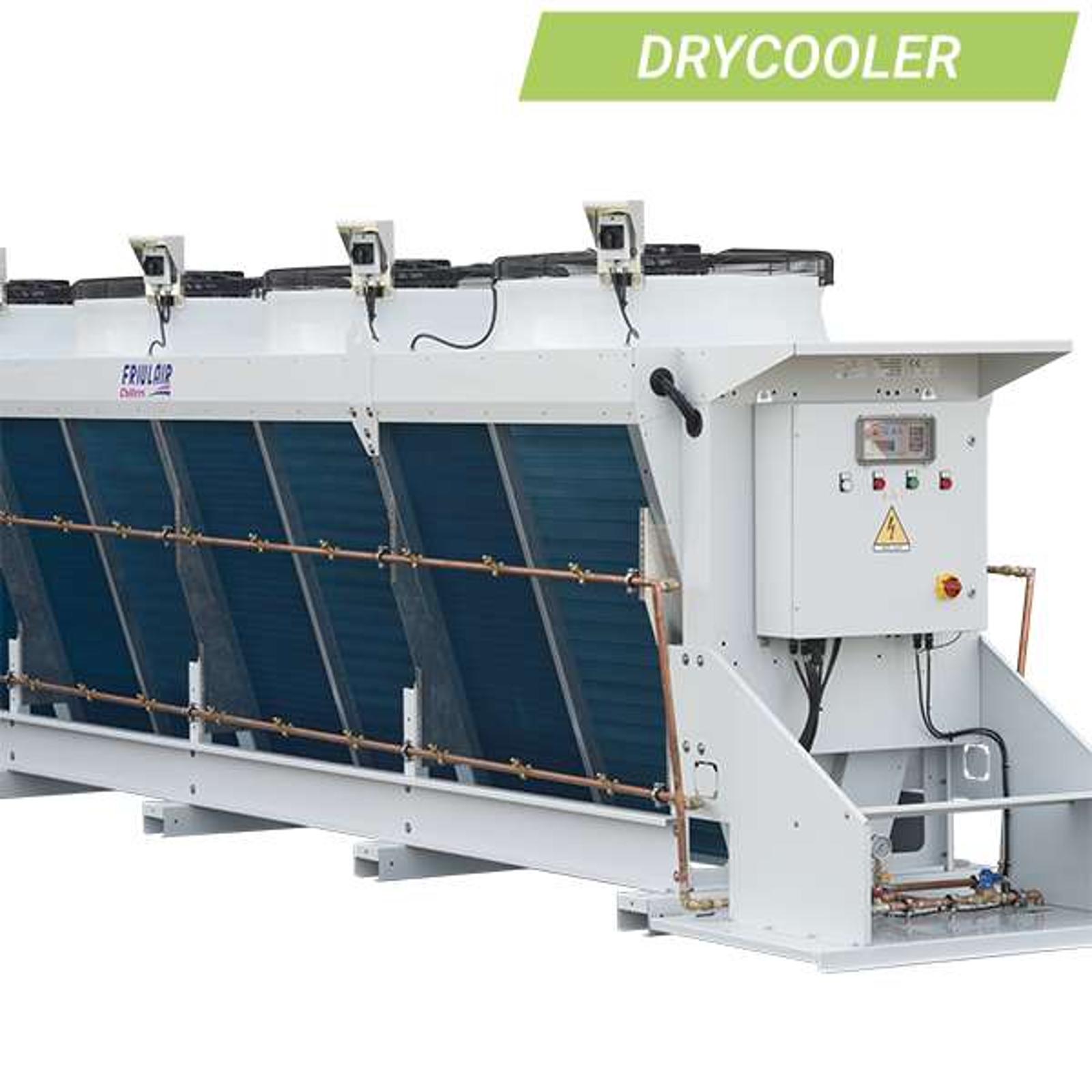
Free‑Cooling with Dry Coolers

Dry coolers allow ambient air to chill the glycol loop when temperatures are low enough, often bypassing compressors entirely. This compressor‑off cooling delivers substantial energy savings and extends equipment life.

Maintenance, Water Use & Long-Term Serviceability

Industrial chillers are engineered for easy access, low maintenance, and long service life. Dry coolers also eliminate water treatment costs and reduce environmental impact compared to evaporative towers.

Why Friulair for Breweries: Infinity Cool + CDC = Best Fit Solution

Friulair offers a complete, integrated brewery cooling solution built around the Infinity Cool chiller platform and CDC dry coolers, combining precision, efficiency, and durability.

Infinity Cool: Built for Low Glycol Temperatures & Industrial Duty

Infinity Cool chillers deliver robust, high‑efficiency performance with:

  • Low‑GWP refrigerants
  • Scroll compressors for reliability
  • Microchannel condensers for optimized heat exchange
  • EC fans for reduced energy consumption
  • Dedicated configurations for low‑temperature glycol

Ideal for breweries requiring precise temperature stability across varied production loads.

CDC Dry Coolers: Free‑Cooling Integration with High Energy Reduction

CDC dry coolers provide the backbone for free‑cooling, offering:

  • Seasonal compressor‑off cooling
  • Low‑noise, high‑efficiency fans
  • Adiabatic options for hot climates
  • Durable outdoor construction

When paired with Infinity Cool, the system seamlessly switches between mechanical and free‑cooling modes.

Heat Recovery Options

Breweries can reclaim heat from the chiller to pre‑warm cleaning water or support facility heating, reducing reliance on boilers and lowering utility costs.

Brewery Smart Cooling: Connectivity, Cybersecurity & Compliance

Digitalization is reshaping how breweries operate. Friulair’s smart cooling ecosystem is engineered to support Industry 4.0 requirements.

Industry 4.0 Protocols & Digital Integration

Built‑in communication protocols such as Modbus, BACnet, MQTT, and SNMP enable seamless integration with:

  • SCADA systems
  • Brewery automation platforms
  • Building management systems

This supports predictive maintenance, energy optimization, and full process visibility.

Cybersecurity by Design

Secure architecture ensures protected data flow, safe remote access, and reliable operation, critical for breweries that rely on connected infrastructure.

Data Logging & Audit Readiness

Continuous temperature logging, alarms, and operational records help strengthen quality control, support certifications, and streamline audits.

Separation

Typical Layouts for Chillers for Breweries

Every brewery requires a cooling architecture that matches its production scale, climate, and growth strategy.

Craft/Microbrewery Layout (10–30 hl)

A compact chiller with integrated pumps and a small buffer tank offers excellent performance for smaller facilities. Pairing with a dry cooler enhances seasonal efficiency.

Regional Brewery Layout (50–100 hl)

Larger sites benefit from multi‑compressor chillers and N+1 redundancy. Bigger dry coolers maximize free‑cooling opportunities, while zoning enhances efficiency.

Multi‑Cellar Production: Modular Design & Zoning

Large breweries with staggered fermentation schedules use modular chiller banks and hydraulic zoning. This approach improves reliability, scalability, and pump energy efficiency. 

FAQs on Brewery Chillers & Glycol Systems

Typically 25–35%, depending on setpoints and local climate.