Industrial Cooling Across the Entire Oil & Gas Value Chain

Industrial cooling plays a crucial role in maintaining safe, efficient, and continuous operation across the global Oil & Gas value chain. From upstream extraction and midstream transport to downstream refining and petrochemical processing, heat must be removed reliably—often in harsh environmental conditions and under 24/7 loads.
 Friulair delivers engineered cooling systems designed exactly for these challenges, offering robust Oil and Gas chillers, high‑efficiency drycoolers, and integrated oil & gas chiller systems tailored to demanding industrial needs.

Industrial oil and gas processing facility with piping and process equipment requiring reliable process cooling

Why Process Cooling Matters In Oil & Gas Operations

Heat Loads Across Upstream, Midstream, And Downstream

Oil & Gas production generates substantial and continuous thermal loads. Compression trains, pumps, drilling units, dehydration packages, gas treatment skids, power electronics, mechanical seals, and hydraulic systems require stable, controlled cooling to prevent overheating and maintain process integrity.
 Whether removing heat from heavy-duty compressors, controlling temperatures within glycol dehydration systems, or protecting instrumentation and power cabinets, precise thermal management ensures operational continuity.

Critical Processes Requiring Reliable Thermal Stability

Temperature stability directly affects product quality, emission control, equipment performance, and safety. Cooling supports:

  • Gas compression and booster stations
  • Refinery unit operations (hydrocrackers, reformers, distillation units)
  • Petrochemical reactors and polymerization processes
  • Onshore and offshore auxiliary packages
     Maintaining tight temperature tolerances prevents thermal drift, protects seals, safeguards electronics, and reduces the risk of process upset.

Consequences Of Insufficient Cooling

Insufficient or unstable cooling can lead to equipment derating, emergency shutdowns, accelerated component wear, higher emissions, and increased energy consumption. For Oil & Gas operators, even a brief cooling failure may cause unacceptable production losses, compliance issues, or safety hazards. This makes a properly engineered oil & gas process chiller a strategic component—not just a utility.

Application Challenges And B2B Buying Criteria

Harsh Climates, Contaminants, And Space Constraints

Oil & Gas facilities experience extreme heat, sand, saline atmospheres, dusty environments, and wide thermal shifts. Cooling equipment must deliver high performance outdoors, withstand corrosion, and operate efficiently in remote locations where maintenance access is limited. Space limitations on skids, platforms, and compact plant areas also require optimized footprints.

TCO Considerations: Energy Consumption, Uptime, and Maintainability

In Oil & Gas operations, Total Cost of Ownership is driven by a few very concrete factors: energy usage under continuous load, the ability to avoid unplanned shutdowns, and the practicality of maintaining equipment in often remote or harsh locations. Cooling systems are expected to operate continuously, frequently at partial load, while remaining stable during extreme ambient conditions.

Energy performance directly impacts operating expenditure, especially in compressor stations, refineries, and gas treatment facilities where chillers run year‑round. High seasonal efficiency and the ability to exploit Free‑Cooling when ambient conditions allow can significantly reduce power consumption over the system lifetime.

At the same time, uptime is non‑negotiable. Oil & Gas operators prioritize cooling solutions that continue to perform reliably under fluctuating loads, minimizing the risk of emergency stoppages and production losses. Robust system design, stabilized controls, and proven industrial components help mitigate these risks.

Maintenance considerations are equally critical. Equipment must be accessible, durable, and designed for long service intervals, particularly in installations where site access is limited or costly. Selecting a process cooling system engineered for reliability, energy efficiency, and ease of maintenance is therefore essential to controlling long‑term operational costs in Oil & Gas environments.

Compliance And Sustainability Requirements

Regulations increasingly drive adoption of environmentally responsible refrigerants. Friulair chillers use low-GWP gases such as R454B (INFINITY COOL) and R513A (FQBE, FCWV). Compliance with Ecodesign, F‑Gas directives, and industry sustainability goals ensures future-proof operation and reduced environmental impact.


Outdoor installation of an industrial process chiller supporting continuous operation in process plant environments
Separation

Friulair Cooling Portfolio For Oil & Gas

Air‑Cooled Process Chillers (FQBE And Infinity Cool)

The FQBE and INFINITY COOL series cover a wide cooling capacity range and meet the operational requirements of Oil & Gas applications:

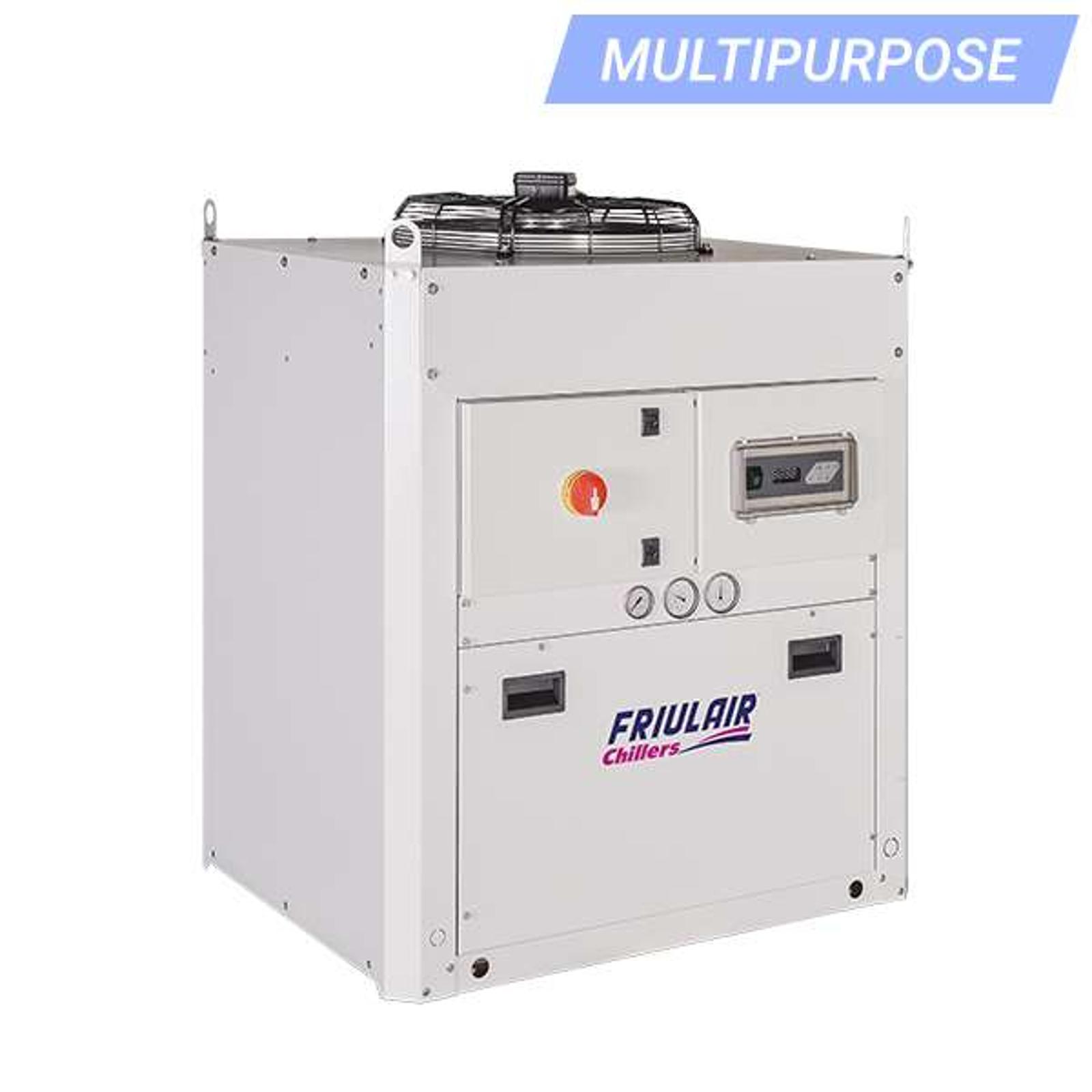
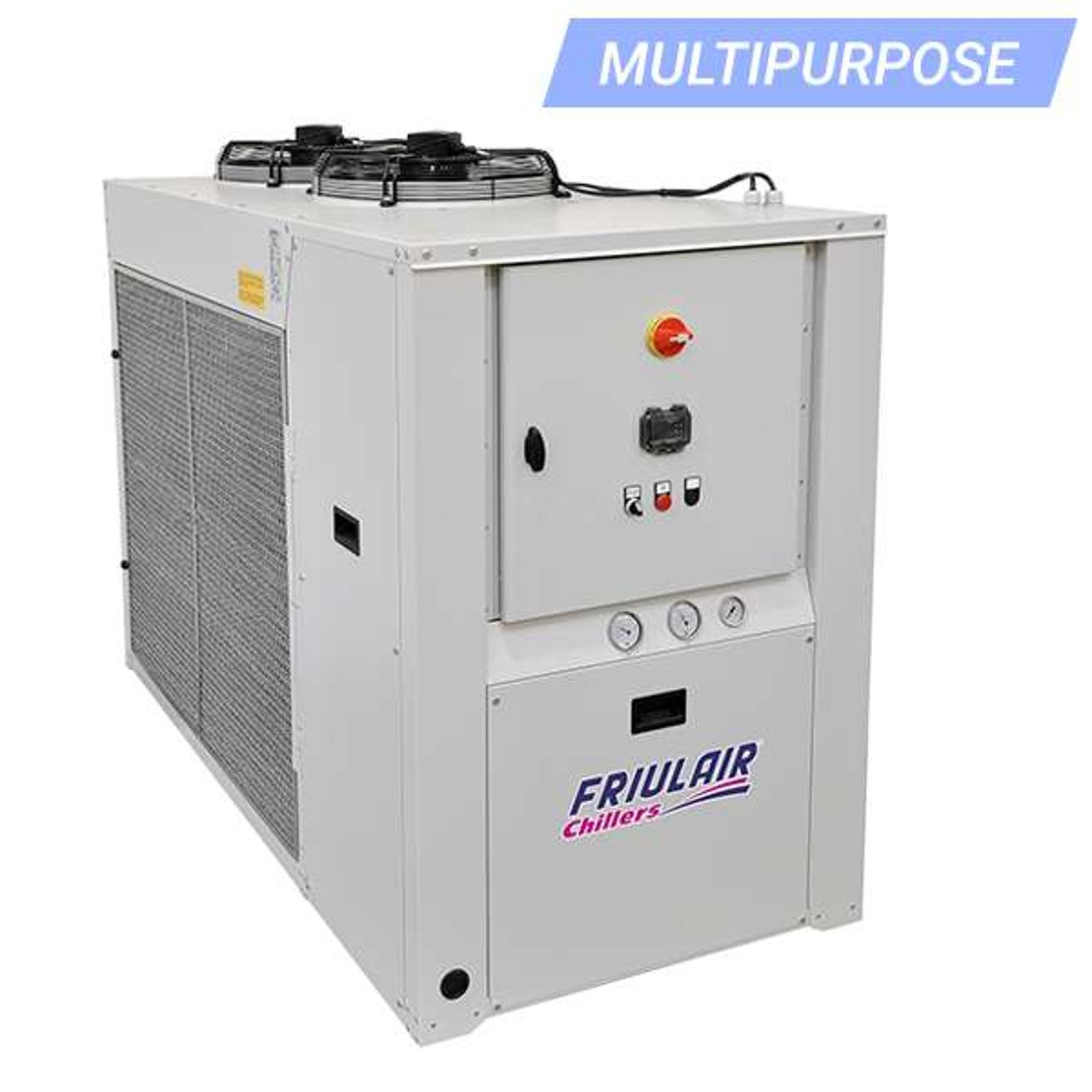
  • FQBE (2–25 kW, R513A): Compact, indoor‑ready multipurpose chillers with excellent seasonal energy efficiency, low noise, and non‑ferrous hydraulic circuits suitable for glycol mixtures.
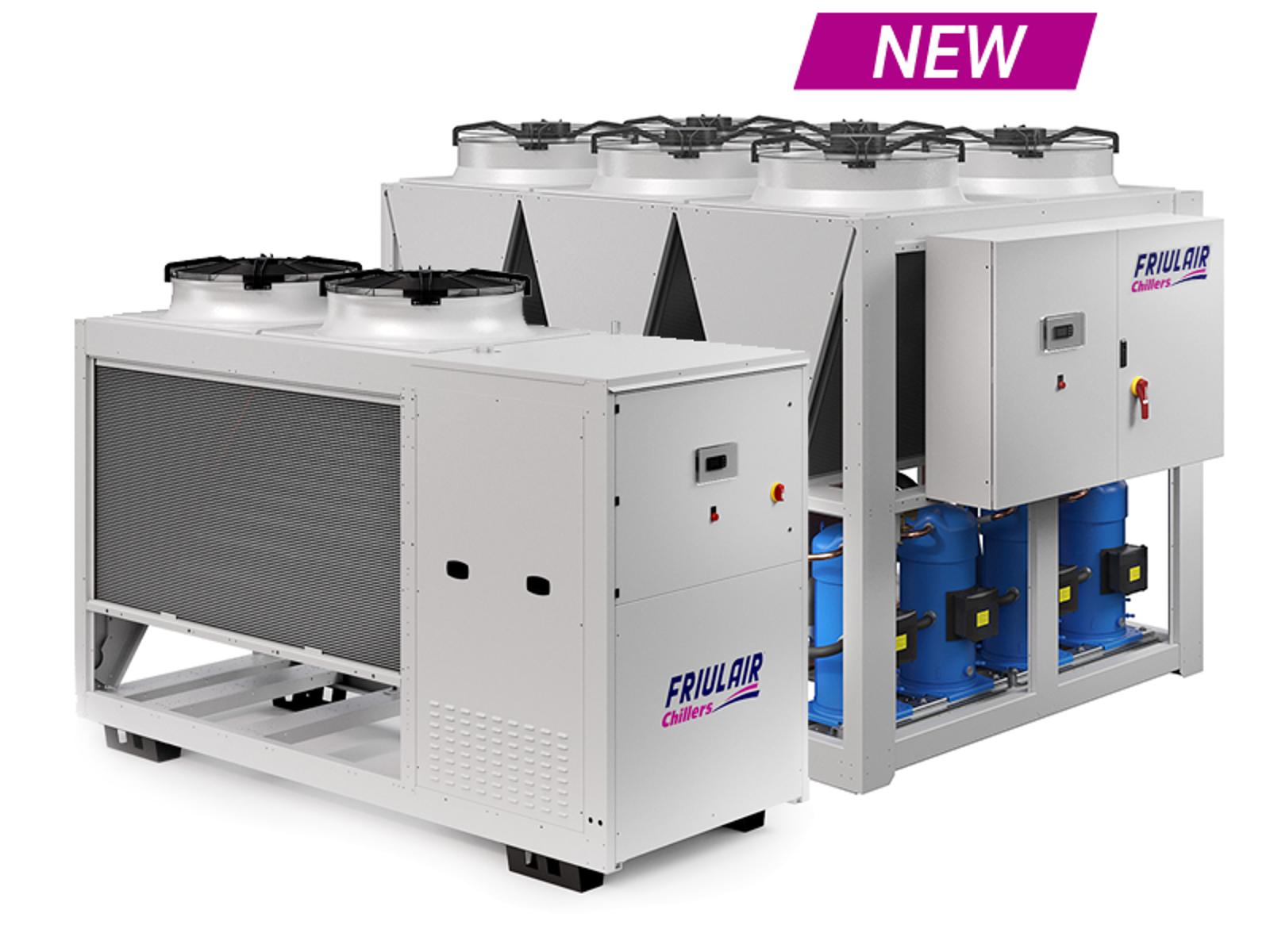
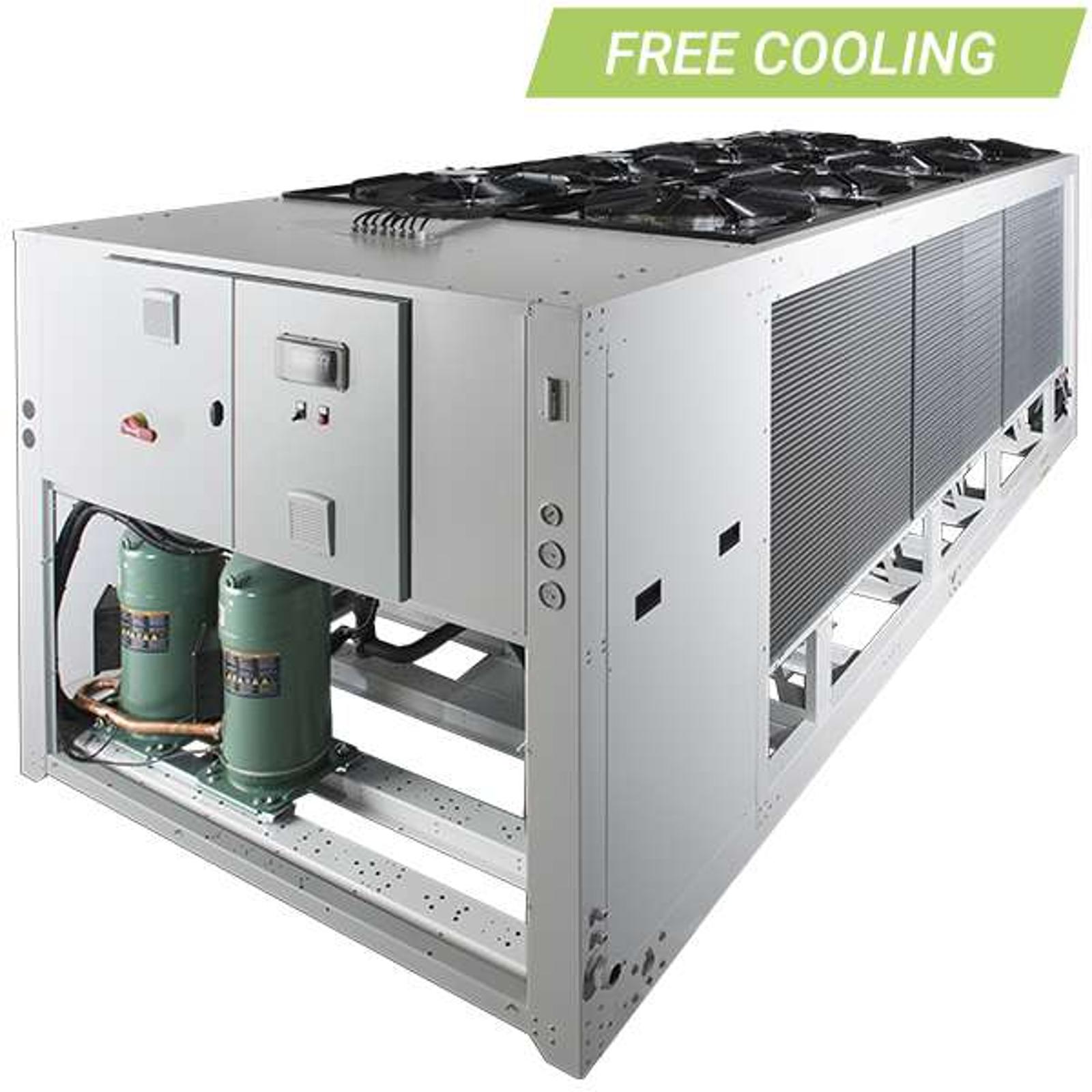
  • INFINITY COOL (20–600 kW, R454B): High‑capacity outdoor chillers with advanced electronic controllers, enhanced connectivity, cybersecurity compliance, and best‑in‑class performance in partial-load conditions.

Large‑Capacity Screw Chillers (FCWV)

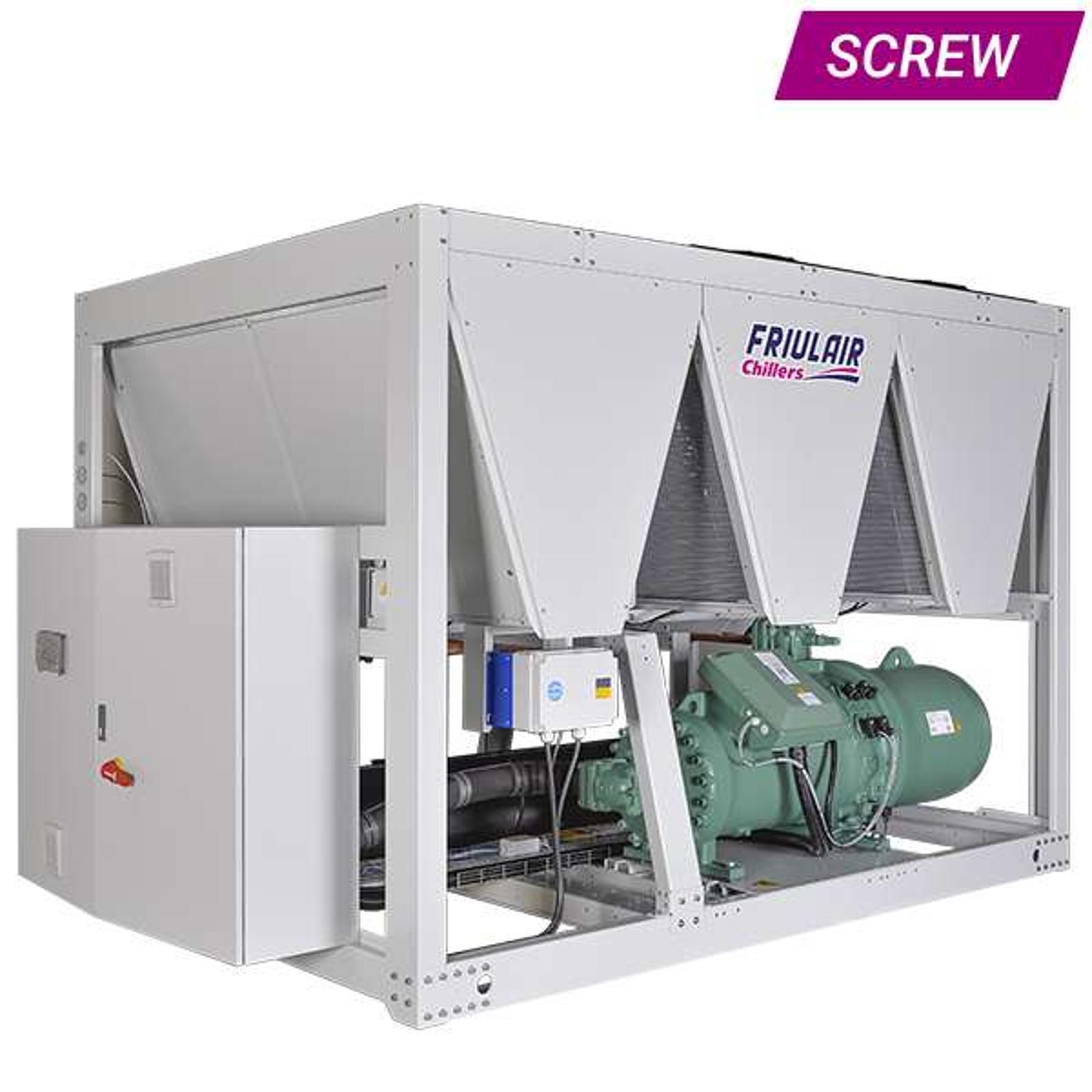
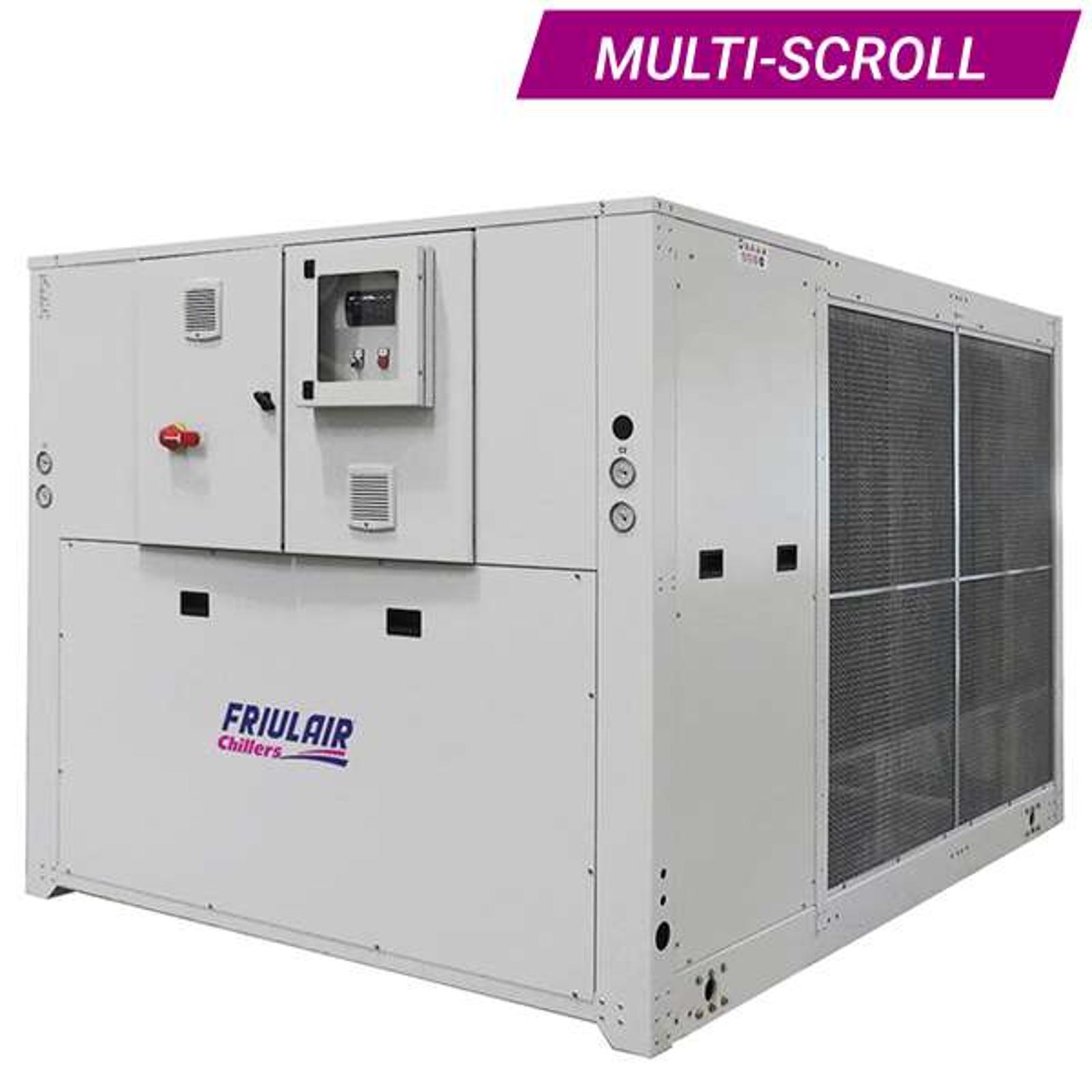
The FCWV range (280–1200 kW) uses highly efficient screw compressors and a shell‑and‑tube evaporator, making it ideal for continuous operation in medium‑to‑large Oil & Gas facilities. Designed exclusively for outdoor installation, these units deliver:

  • Smooth, reliable operation under constant load
  • Continuous fan regulation for optimized airflow
  • Robust construction with galvanized and powder‑coated structures
     Heat recovery is not available on FCWV units, ensuring straightforward and dependable design for heavy-duty cooling applications.

Drycoolers And Free‑Cooling (CDC)

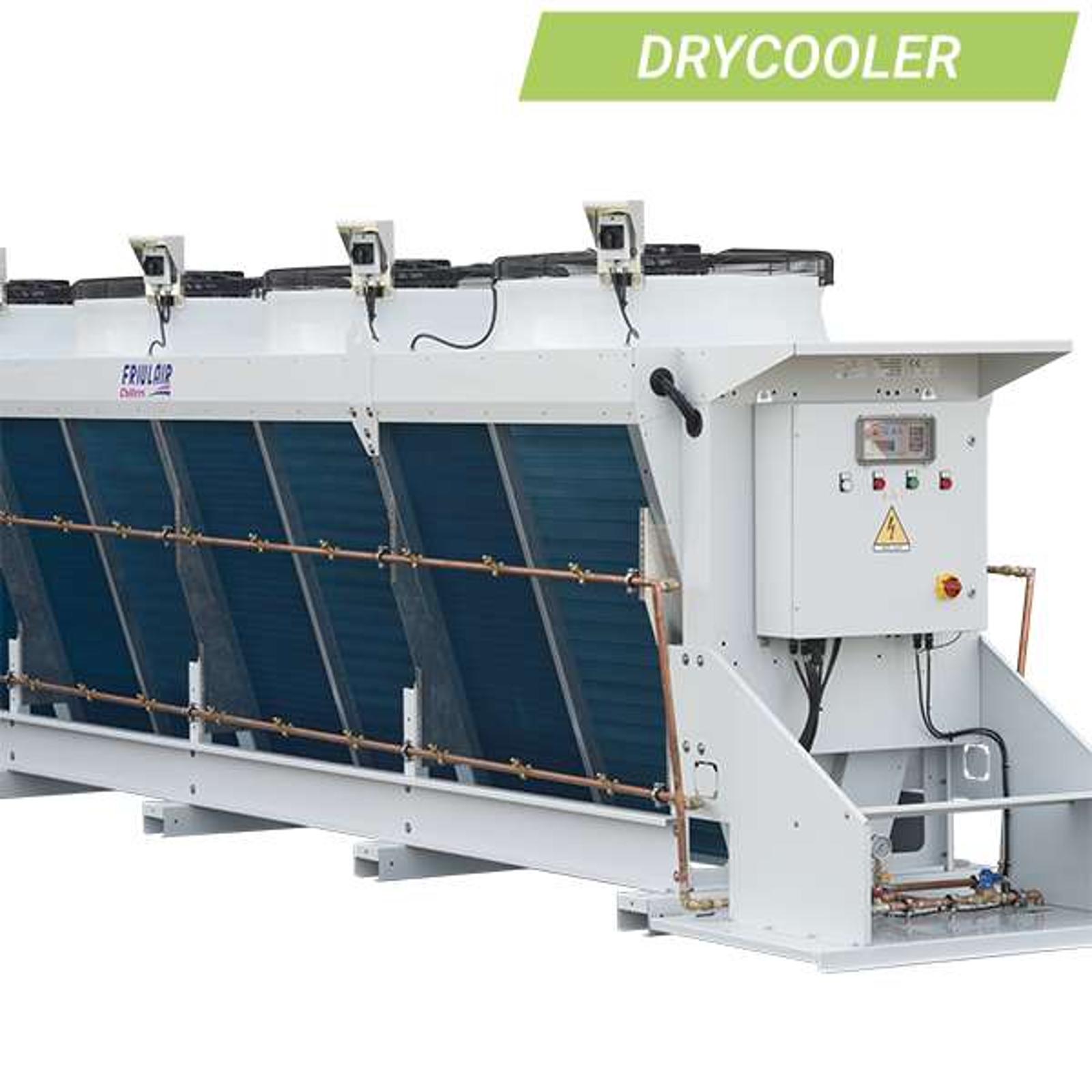
Friulair’s CDC drycoolers (300–1200 kW) enhance system efficiency by enabling Free‑Cooling when ambient temperatures allow.
 Key advantages:

  • Drastically reduced chiller energy consumption in cool seasons
  • Closed-loop design with minimal water consumption
  • Optional adiabatic version for high-temperature regions
     Integrated drycoolers can be combined with INFINITY COOL or FCWV to build energy‑optimized oil and gas chiller systems with extended equipment life and significantly lower OPEX.

Designing Oil & Gas Chiller Systems For Lowest TCO

Free‑Cooling Architectures And Seasonal Switchover

Integrating a chiller with a drycooler enables automatic switching between mechanical and Free‑Cooling modes. During colder months, the CDC unit cools the process fluid independently, reducing compressor runtime and achieving substantial energy savings. Free‑Cooling is particularly valuable for pipeline compressor stations, gas treatment facilities, and inland refineries with seasonally low ambient temperatures.

Hydraulic Layouts And Separation Loops

Oil & Gas systems often require hydraulic circuit separation to protect evaporators, manage pressure zones, or serve multiple loads. Friulair supports:

  • Plate heat exchangers for decoupling circuits
  • Pressurized or atmospheric tanks
  • Pump groups with high-head or redundant configurations
     These solutions simplify system integration, improve stability, and reduce maintenance.

Advanced Control Strategies For Partial Loads

Intelligent control algorithms optimize compressor staging, fan modulation, pump operation, and fluid temperature precision. This ensures efficient performance across all ambient conditions, reduces energy consumption, and minimizes component stress.

Separation

Engineered For Reliability And Harsh Environments

Materials And Protections Against Corrosion

Friulair uses microchannel condensers, galvanized and powder‑coated frames, and corrosion-resistant materials to ensure durability in harsh environments. Optional E‑coating and protective filters further extend lifetime in coastal, sandy, or dusty conditions typical of Oil & Gas sites.

Wide Operating Envelope And Low Ambient Readiness

Units can be configured with low-ambient temperature kits for continuous operation down to –20 °C. EC or phased‑controlled fans ensure airflow stability during cold or fluctuating weather, while anti-freeze heaters protect hydraulic circuits during extreme conditions.

Safety, Monitoring, And Diagnostic Systems

Full suites of refrigeration and hydraulic safeties safeguard the units at all times. Event logs, alarms, sensors, and pressure switches ensure fast troubleshooting and stable operation. Remote communication options extend visibility across large facilities.

Centralized cooling system with industrial chillers serving energy and process industry facilities

Energy Performance And Sustainability

High Seasonal Efficiency For Reduced OPEX

Friulair chillers are engineered for high seasonal energy performance, ensuring optimal operation not only at peak load but throughout varying conditions. This is particularly important for Oil & Gas installations, where cooling systems may operate year-round with large fluctuations in thermal demand.

Low-GWP Refrigerants Supporting Sustainability Goals

  • R454B (INFINITY COOL) offers excellent efficiency with a GWP of 467—significantly lower than conventional refrigerants.
  • R513A (FQBE, FCWV) is safe, non-flammable, and ideal for indoor and large-scale outdoor applications, with a much lower environmental footprint than legacy options.

Heat Recovery – Infinity Cool Only

Heat recovery options are available exclusively on the INFINITY COOL range:

  • HRV (Variable Heat Recovery) for models 021–105
  • HRP (Partial Heat Recovery) and HRF (Total Heat Recovery) for models 110–600
     Recovered heat can support facility utilities, preheat fluids, or contribute to overall energy optimization strategies. FCWV units do not support heat recovery but deliver robust performance and reliability for large-scale cooling applications.

Integration, Connectivity, And Cybersecurity

Protocols For DCS/SCADA And IoT

Friulair chillers offer seamless integration into modern automation architectures. Supported communication protocols across the ranges include:

  • Modbus RTU and Modbus TCP
  • BACnet/IP
  • MQTT and SNMP (INFINITY COOL)
     These capabilities ensure compatibility with distributed control systems (DCS), SCADA platforms, and industrial IoT networks.

Remote Monitoring And Gateway Options

Various gateway solutions enable remote service, supervision, and data acquisition. Real-time monitoring provides operators with actionable insight into performance trends, energy usage, and fault conditions—essential for maximizing uptime across Oil & Gas installations.

Cybersecure Controls For Industrial Environments

INFINITY COOL units feature cybersecurity compliance aligned with industry cybersecurity frameworks, ensuring safe and protected integration into critical infrastructure systems.

Separation

Recommended Configurations By Use Case

Onshore Compressor Stations

Compressor stations benefit from INFINITY COOL paired with CDC drycoolers for Free‑Cooling, enabling significant seasonal OPEX reduction. The robust outdoor design and advanced electronics ensure reliable cooling under continuous load.

Refinery And Petrochemical Units

For high-capacity cooling in downstream settings, FCWV screw chillers provide stable, efficient, and durable operation. Their continuous regulation and heavy-duty design make them ideal for refinery packaging, heat-intensive unit operations, and utility cooling.

Utility Skids And Auxiliaries

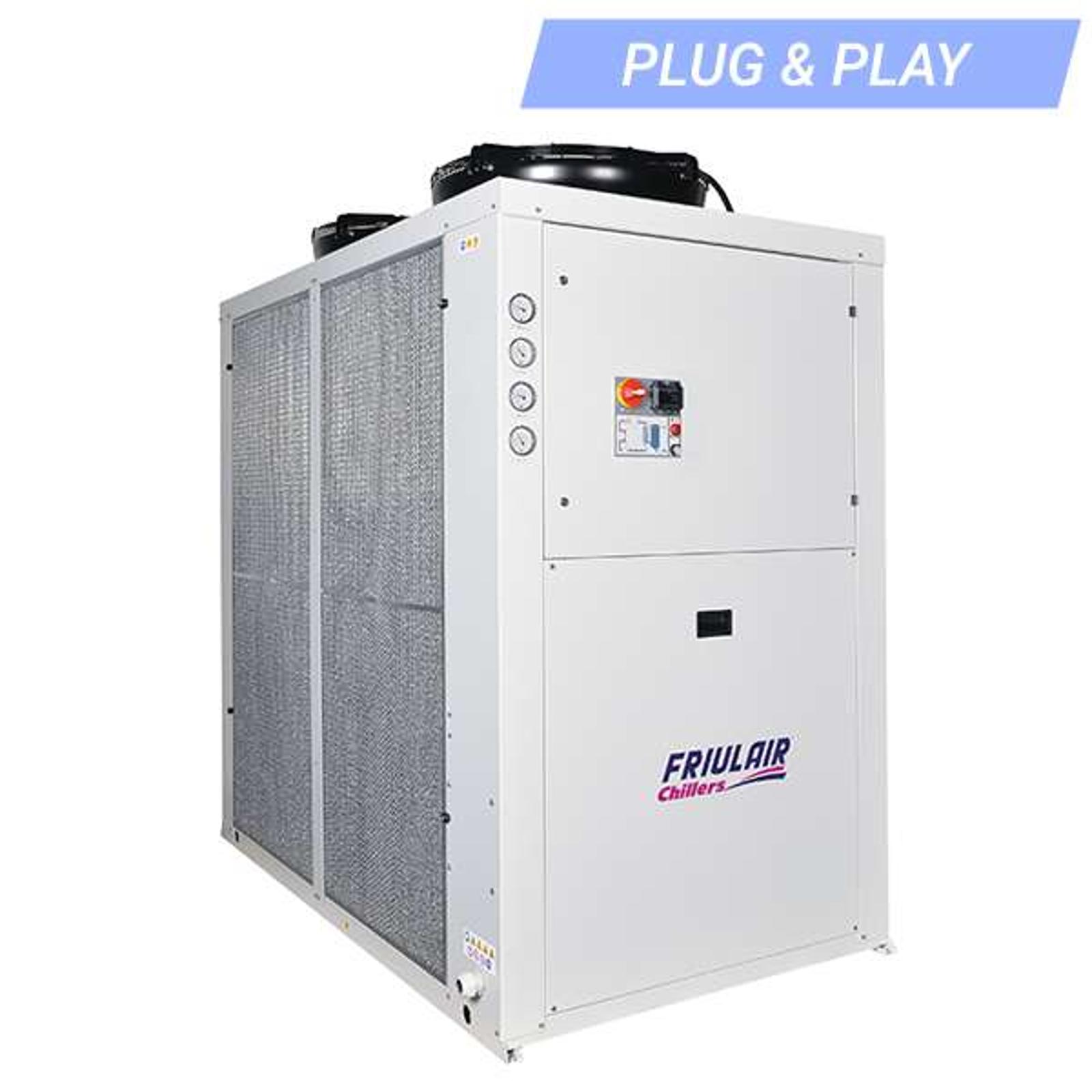
Where indoor installation, compact footprint, and plug‑and‑play operation are needed, FQBE units offer excellent energy performance and non‑ferrous circuits for glycol compatibility—ideal for utility skids, analyzer shelters, testing benches, and auxiliary cooling loops.

Outdoor industrial dry cooler installed on an oil and gas facility to improve process cooling efficiency
Process chillers are engineered for continuous 24/7 operation, tight temperature control, and high reliability, while HVAC chillers prioritize comfort cooling with broader tolerances. Oil & Gas applications require the precision and durability of industrial process chillers.

Do you need reliable process cooling for Oil & Gas applications?

Oil & Gas applications require cooling solutions that are robust, flexible, and reliable, even under harsh environmental conditions. Friulair provides configurable industrial chillers and dry coolers suitable for plant utilities, process skids, and onshore or offshore installations.